Control Seven
A mobile management platform designed to monitor, control, and optimize company devices through a structured and scalable digital interface.
Control Seven
A mobile management platform designed to monitor, control, and optimize company devices through a structured and scalable digital interface.
About
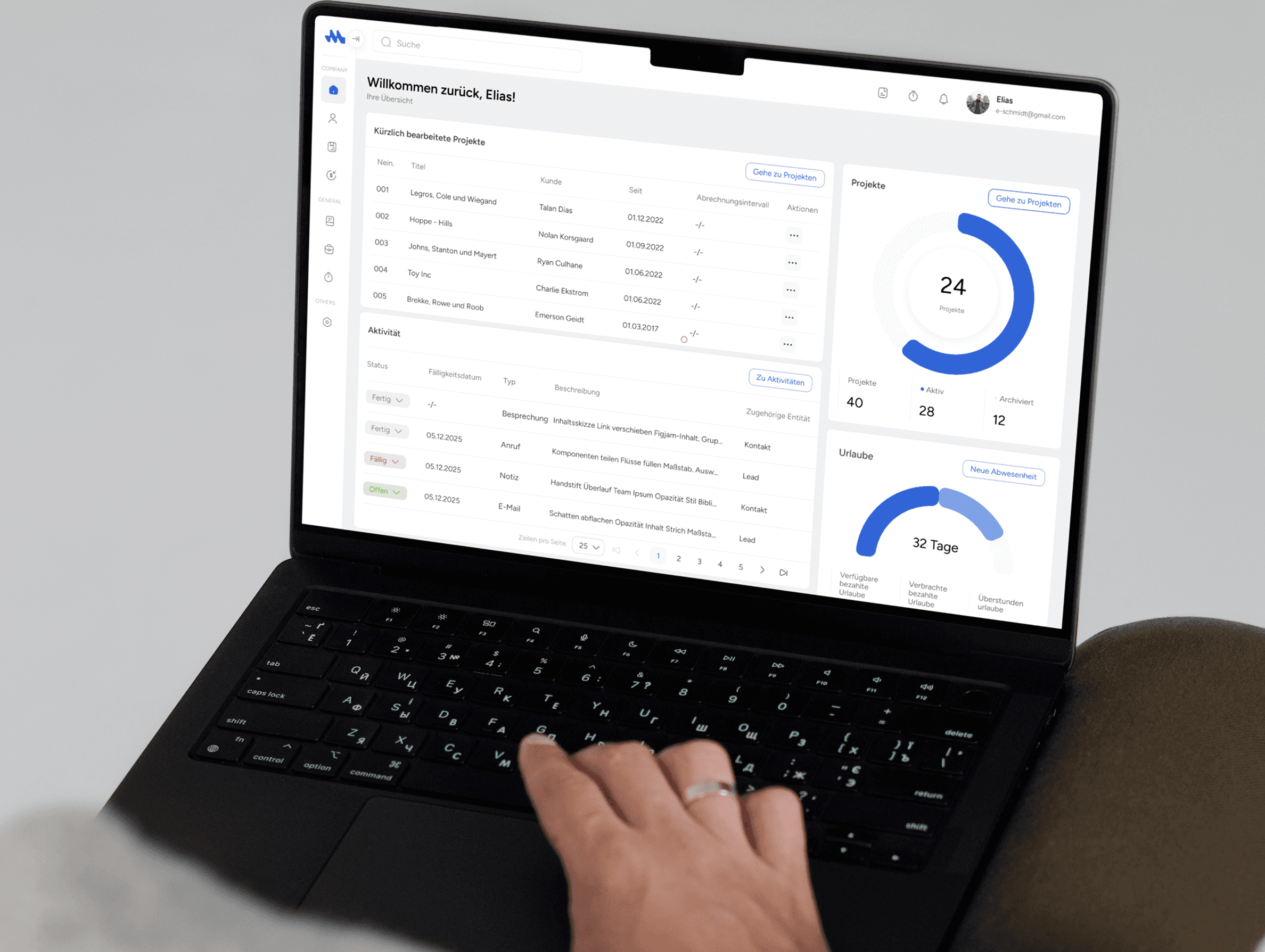
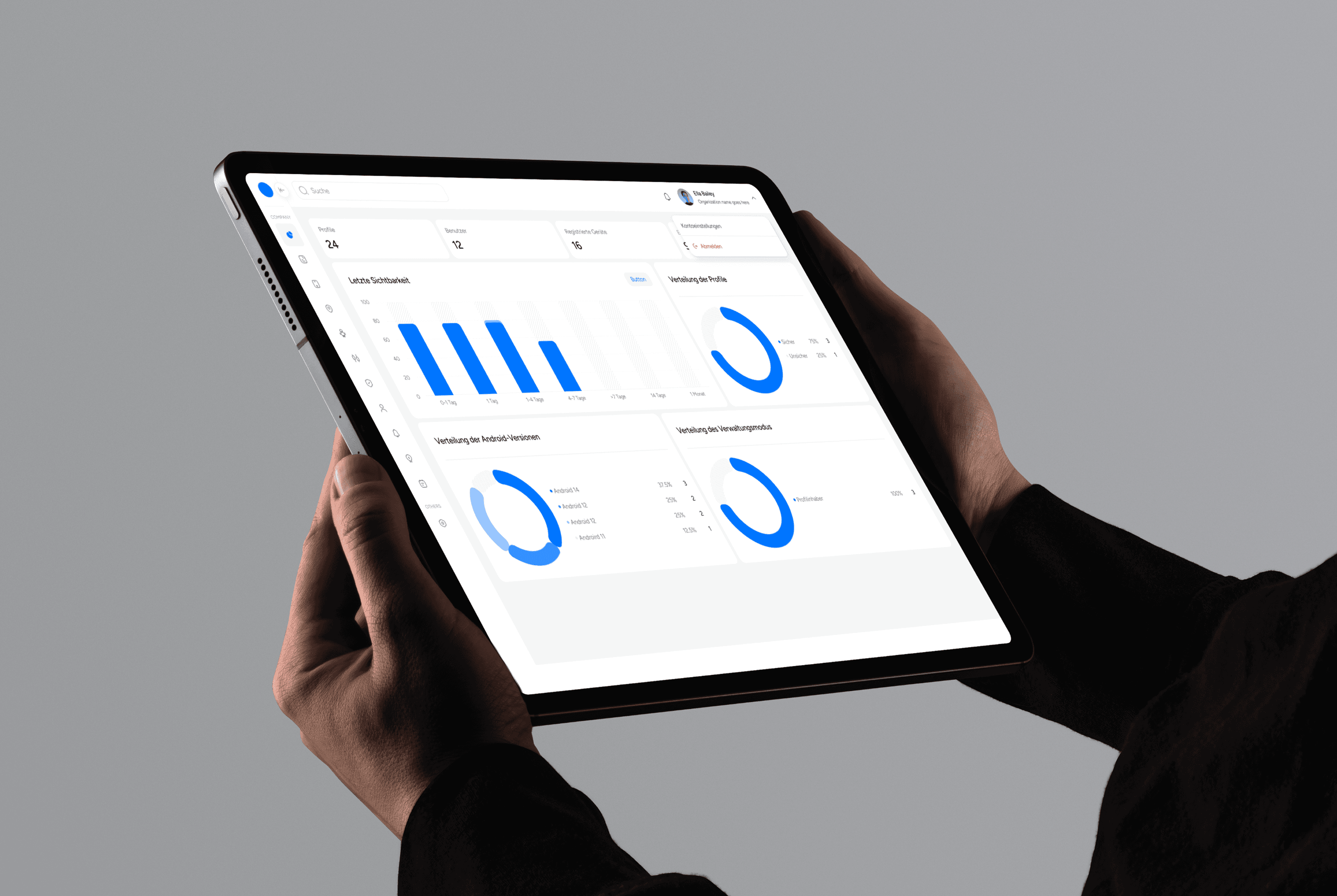
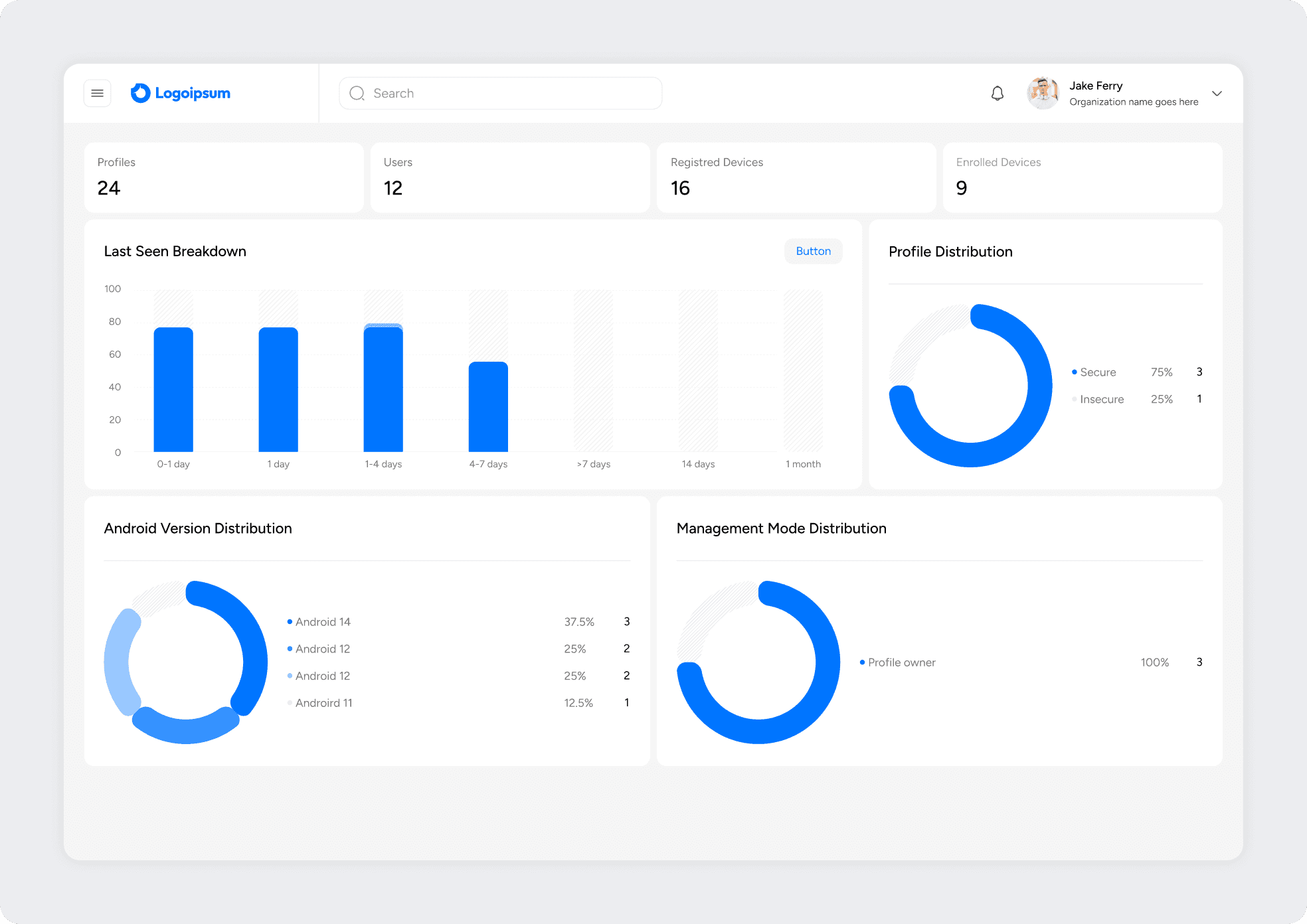
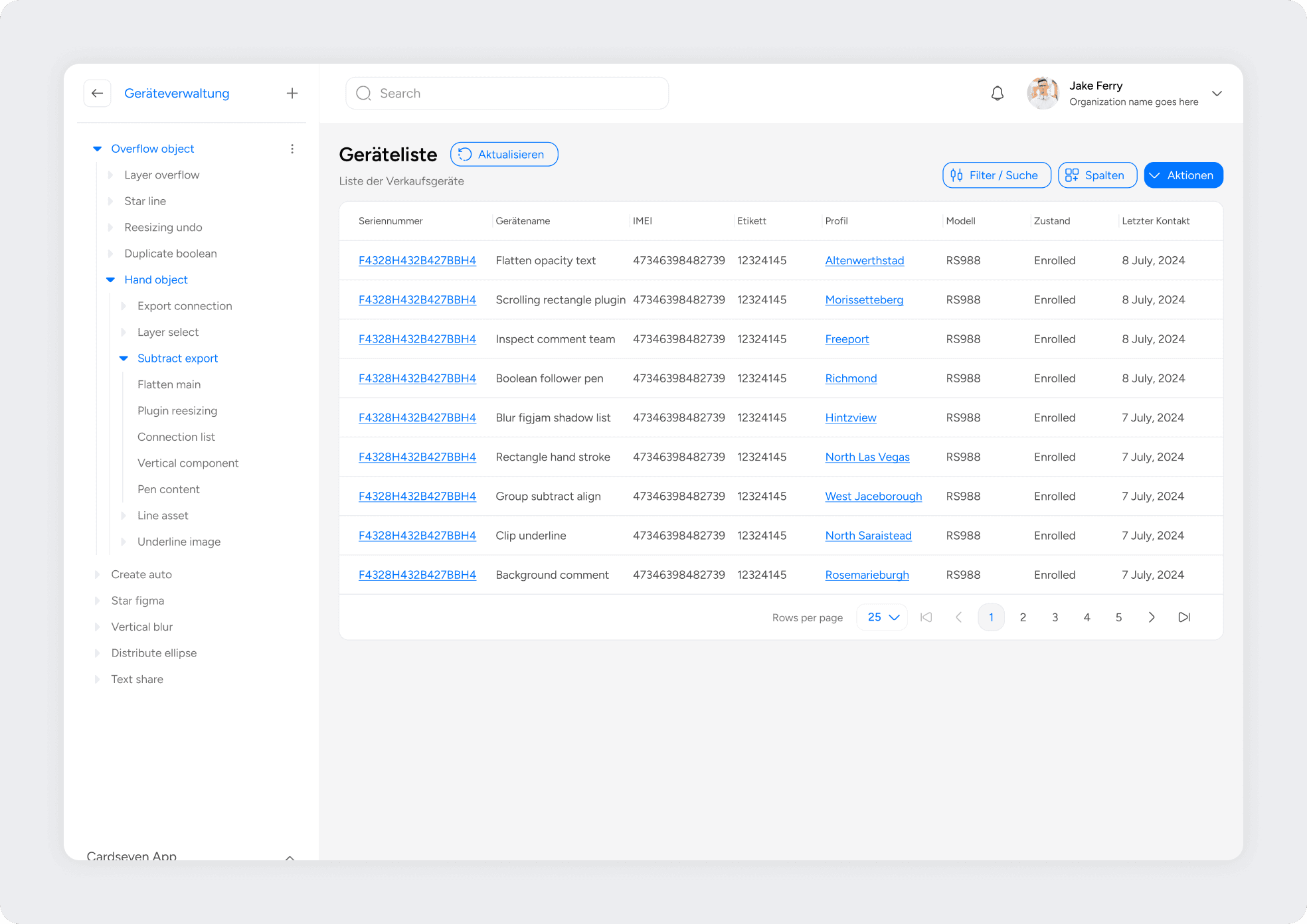
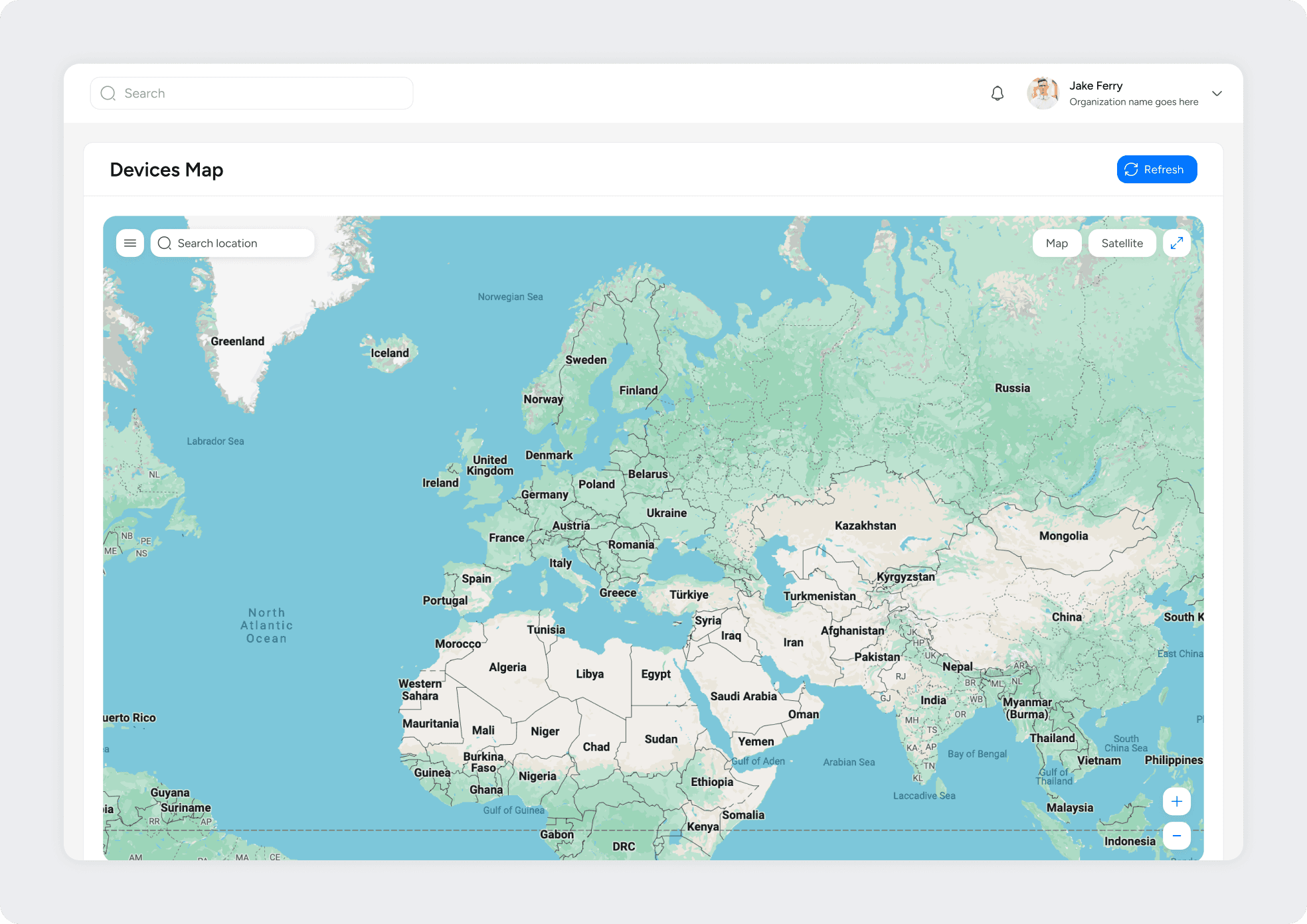
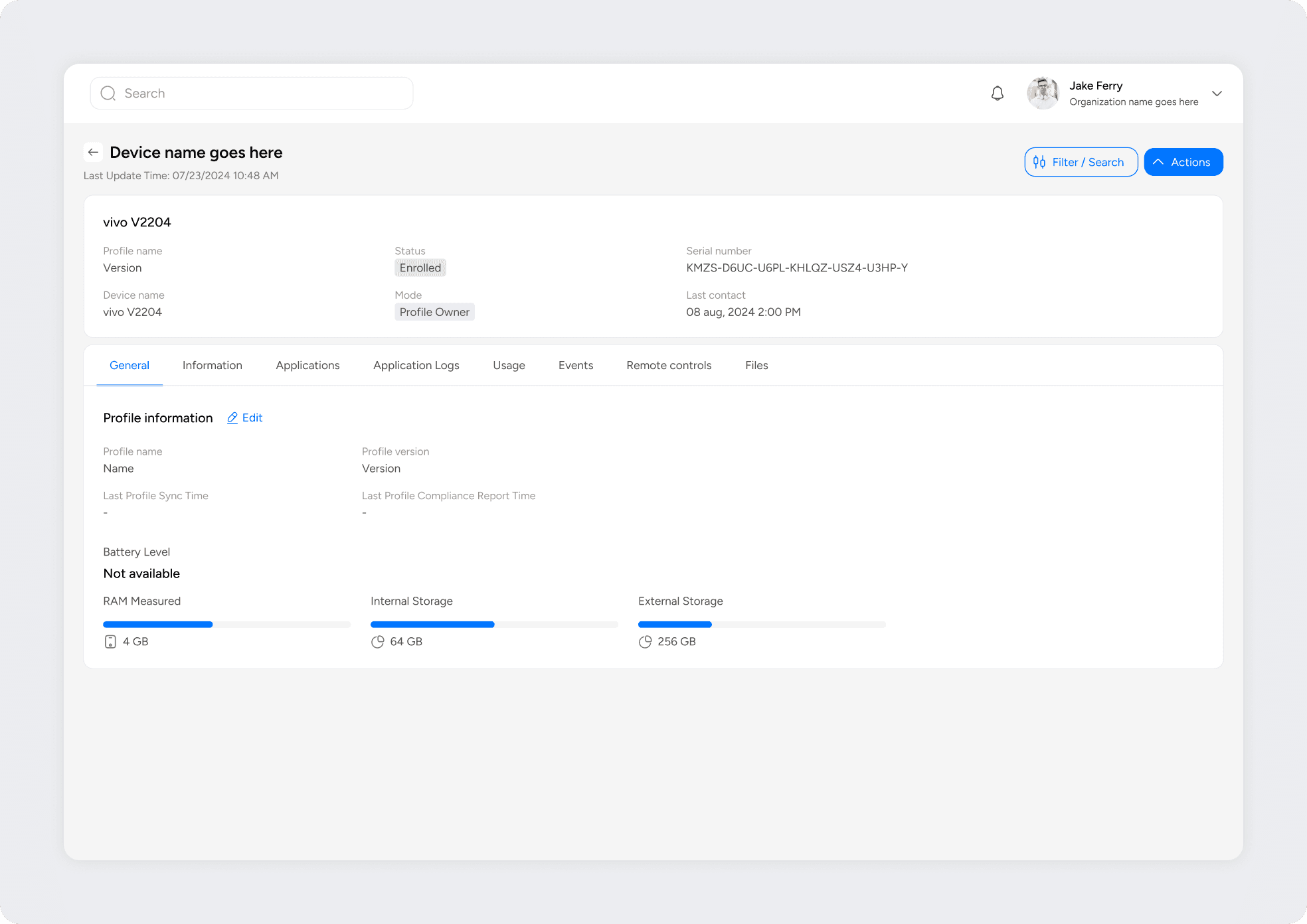
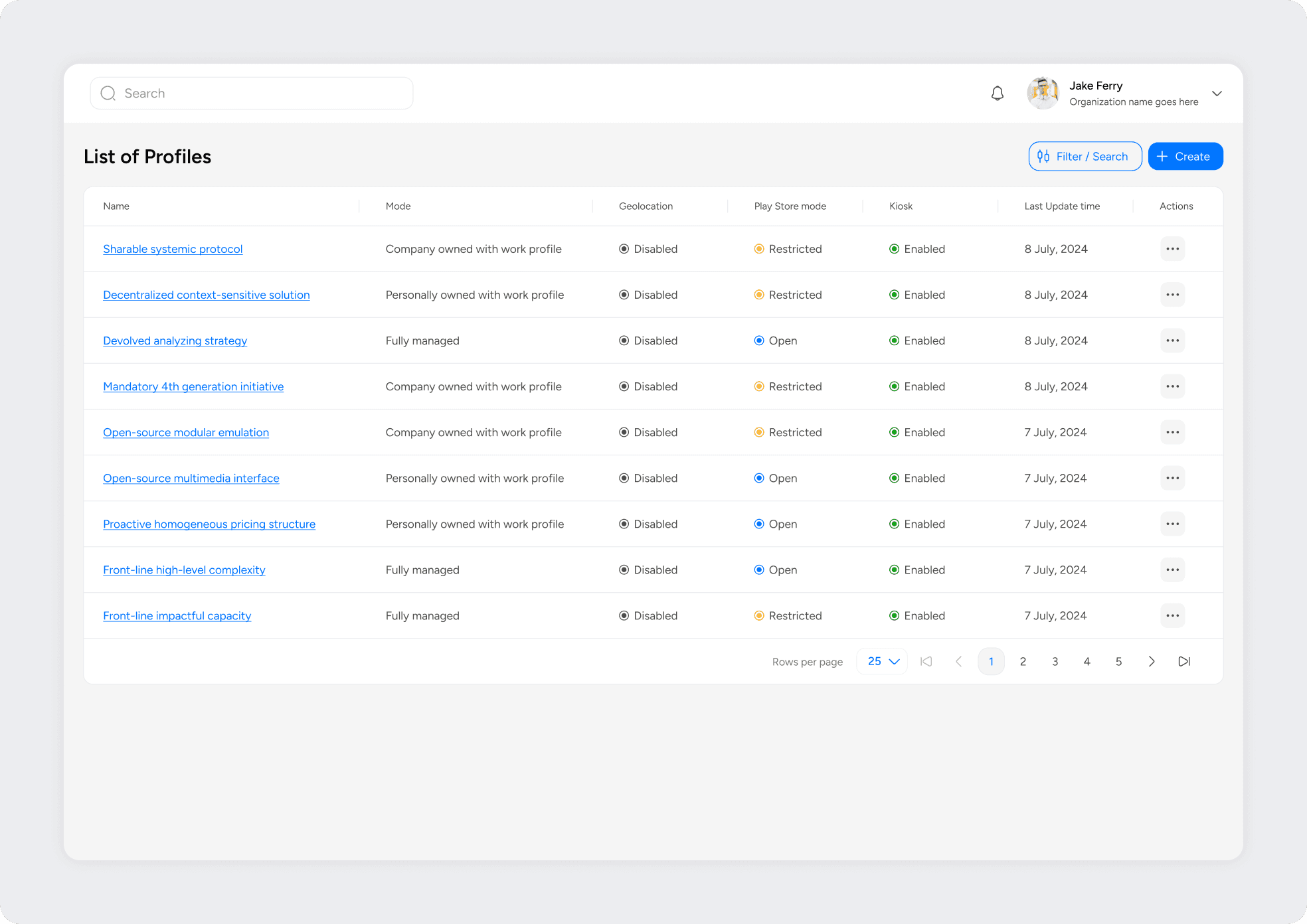
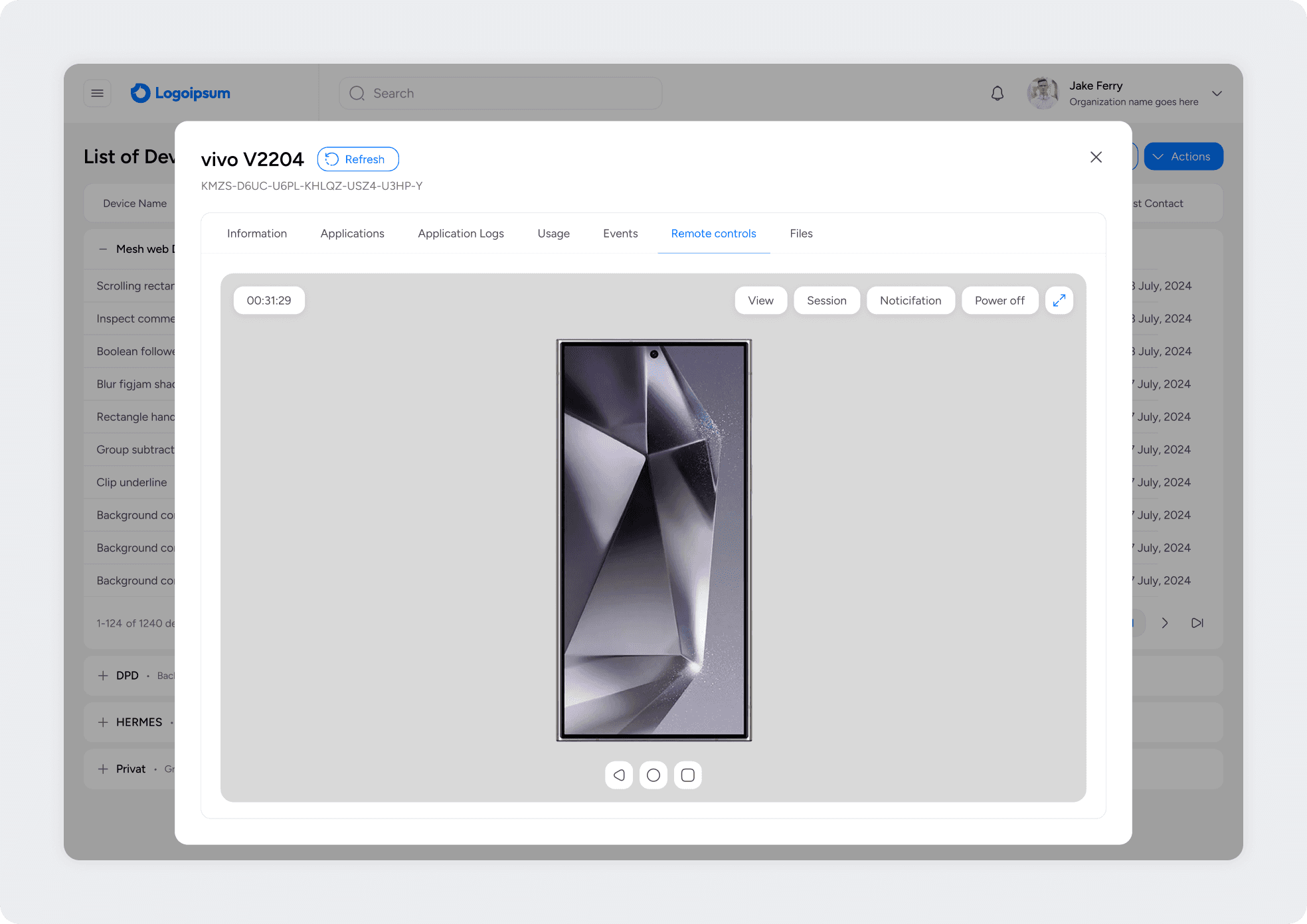
Control Seven is a mobile management platform built to help organizations monitor, control, and manage company mobile devices efficiently. The project focused on transforming complex device administration processes into a structured and intuitive digital experience. The platform enables administrators to oversee device status, manage configurations, enforce security policies, and monitor usage through a centralized dashboard. The objective was to design a clear and scalable system that simplifies technical workflows while maintaining a professional and enterprise-ready interface. The result is a modern management platform that balances operational depth with usability, making advanced device control accessible and structured.
Industry
Mobile Device Management (MDM)
Mobile Device Management (MDM)
Mobile Device Management (MDM)
Mobile Device Management (MDM)
Mobile Device Management (MDM)
Type of work
Product Design
Product Design
Product Design
Product Design
Product Design
Timeline
5 Weeks
5 Weeks
5 Weeks
5 Weeks
5 Weeks
Challenges
The primary challenge was translating highly technical mobile management processes into an interface that feels clear and controlled rather than overwhelming. Mobile device management systems often contain dense data, security settings, and multiple administrative layers, which can quickly become complex and difficult to navigate. Another challenge was structuring the platform to support different administrative tasks such as device monitoring, policy configuration, user management, and system reporting without creating friction between modules. The interface needed to present real time device information while maintaining clarity and hierarchy. Security and control features required careful visual communication. Critical actions such as locking devices, pushing updates, or modifying configurations needed to feel intentional and safe, reducing the risk of user error. At the same time, the system had to remain scalable for future feature expansion and enterprise growth.
Challenges
The primary challenge was translating highly technical mobile management processes into an interface that feels clear and controlled rather than overwhelming. Mobile device management systems often contain dense data, security settings, and multiple administrative layers, which can quickly become complex and difficult to navigate. Another challenge was structuring the platform to support different administrative tasks such as device monitoring, policy configuration, user management, and system reporting without creating friction between modules. The interface needed to present real time device information while maintaining clarity and hierarchy. Security and control features required careful visual communication. Critical actions such as locking devices, pushing updates, or modifying configurations needed to feel intentional and safe, reducing the risk of user error. At the same time, the system had to remain scalable for future feature expansion and enterprise growth.
Challenges
The primary challenge was translating highly technical mobile management processes into an interface that feels clear and controlled rather than overwhelming. Mobile device management systems often contain dense data, security settings, and multiple administrative layers, which can quickly become complex and difficult to navigate. Another challenge was structuring the platform to support different administrative tasks such as device monitoring, policy configuration, user management, and system reporting without creating friction between modules. The interface needed to present real time device information while maintaining clarity and hierarchy. Security and control features required careful visual communication. Critical actions such as locking devices, pushing updates, or modifying configurations needed to feel intentional and safe, reducing the risk of user error. At the same time, the system had to remain scalable for future feature expansion and enterprise growth.
The process
The design process began with mapping administrative workflows and identifying the most frequent actions performed within a mobile management environment. User flows were structured around core tasks such as monitoring device health, applying security policies, and managing user access. Information architecture was carefully organized to separate high level dashboards from detailed configuration views. Wireframes focused on reducing cognitive load by grouping related controls and presenting device data in structured layouts. A modular design system was developed to ensure consistency across dashboards, tables, status indicators, and control panels. Visual hierarchy was reinforced through typography, spacing, and clear state indicators for active, inactive, and critical device statuses. Interaction design prioritized clarity and confirmation, especially for security related actions, ensuring administrators maintain confidence when performing system level operations.
The process
The design process began with mapping administrative workflows and identifying the most frequent actions performed within a mobile management environment. User flows were structured around core tasks such as monitoring device health, applying security policies, and managing user access. Information architecture was carefully organized to separate high level dashboards from detailed configuration views. Wireframes focused on reducing cognitive load by grouping related controls and presenting device data in structured layouts. A modular design system was developed to ensure consistency across dashboards, tables, status indicators, and control panels. Visual hierarchy was reinforced through typography, spacing, and clear state indicators for active, inactive, and critical device statuses. Interaction design prioritized clarity and confirmation, especially for security related actions, ensuring administrators maintain confidence when performing system level operations.
The process
The design process began with mapping administrative workflows and identifying the most frequent actions performed within a mobile management environment. User flows were structured around core tasks such as monitoring device health, applying security policies, and managing user access. Information architecture was carefully organized to separate high level dashboards from detailed configuration views. Wireframes focused on reducing cognitive load by grouping related controls and presenting device data in structured layouts. A modular design system was developed to ensure consistency across dashboards, tables, status indicators, and control panels. Visual hierarchy was reinforced through typography, spacing, and clear state indicators for active, inactive, and critical device statuses. Interaction design prioritized clarity and confirmation, especially for security related actions, ensuring administrators maintain confidence when performing system level operations.
The outcome
The final result is a structured and scalable mobile management platform that transforms complex administrative workflows into a clear and efficient digital system. The interface enhances operational control while maintaining usability and professional visual standards. Control Seven now provides a strong foundation for enterprise level growth, offering a reliable and modern solution for managing company mobile devices securely and efficiently.
The outcome
The final result is a structured and scalable mobile management platform that transforms complex administrative workflows into a clear and efficient digital system. The interface enhances operational control while maintaining usability and professional visual standards. Control Seven now provides a strong foundation for enterprise level growth, offering a reliable and modern solution for managing company mobile devices securely and efficiently.
The outcome
The final result is a structured and scalable mobile management platform that transforms complex administrative workflows into a clear and efficient digital system. The interface enhances operational control while maintaining usability and professional visual standards. Control Seven now provides a strong foundation for enterprise level growth, offering a reliable and modern solution for managing company mobile devices securely and efficiently.