Mesh App
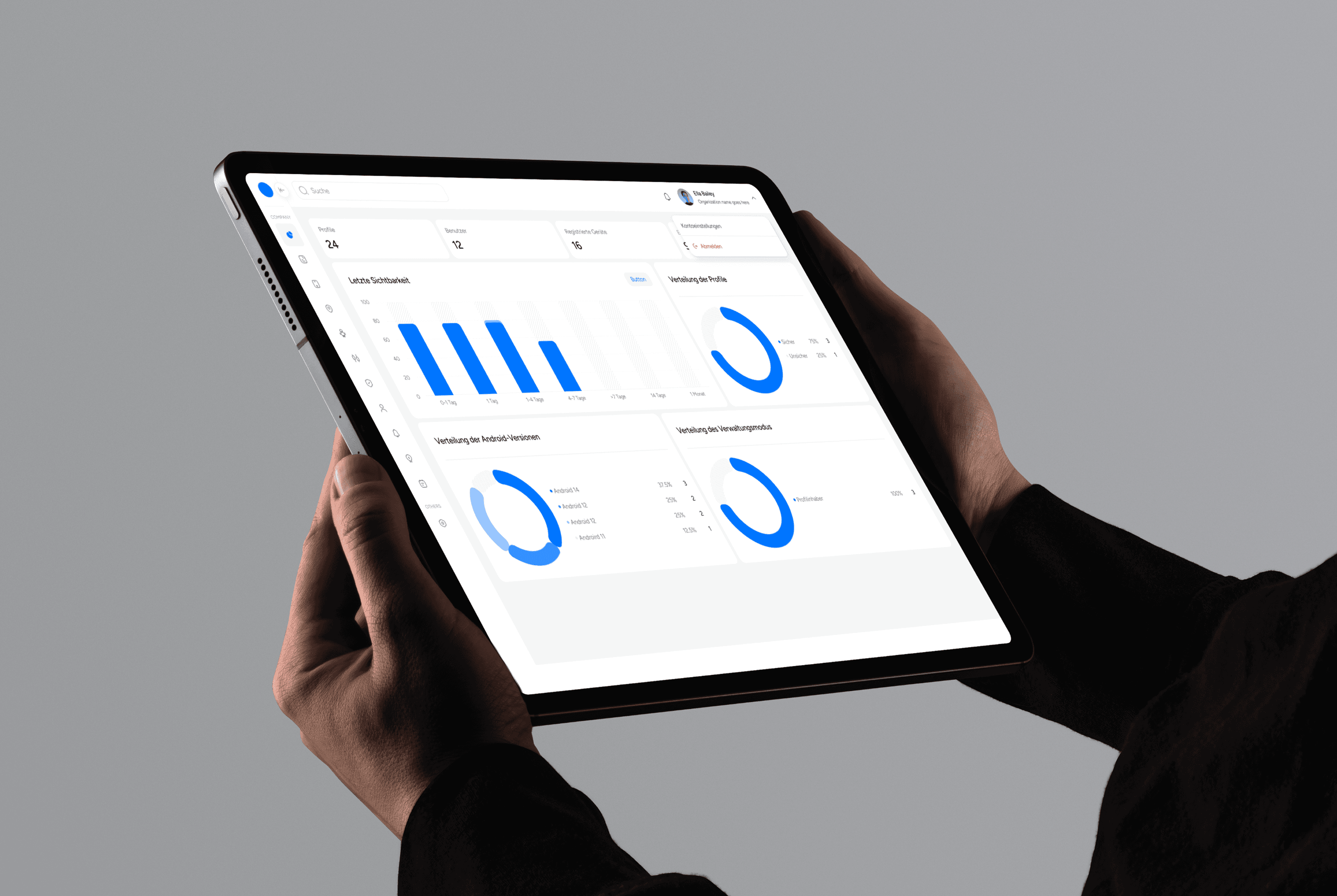
A scalable business management SaaS platform designed to centralize projects, finances, employees, invoicing, and lead management into one structured digital system.
Mesh App
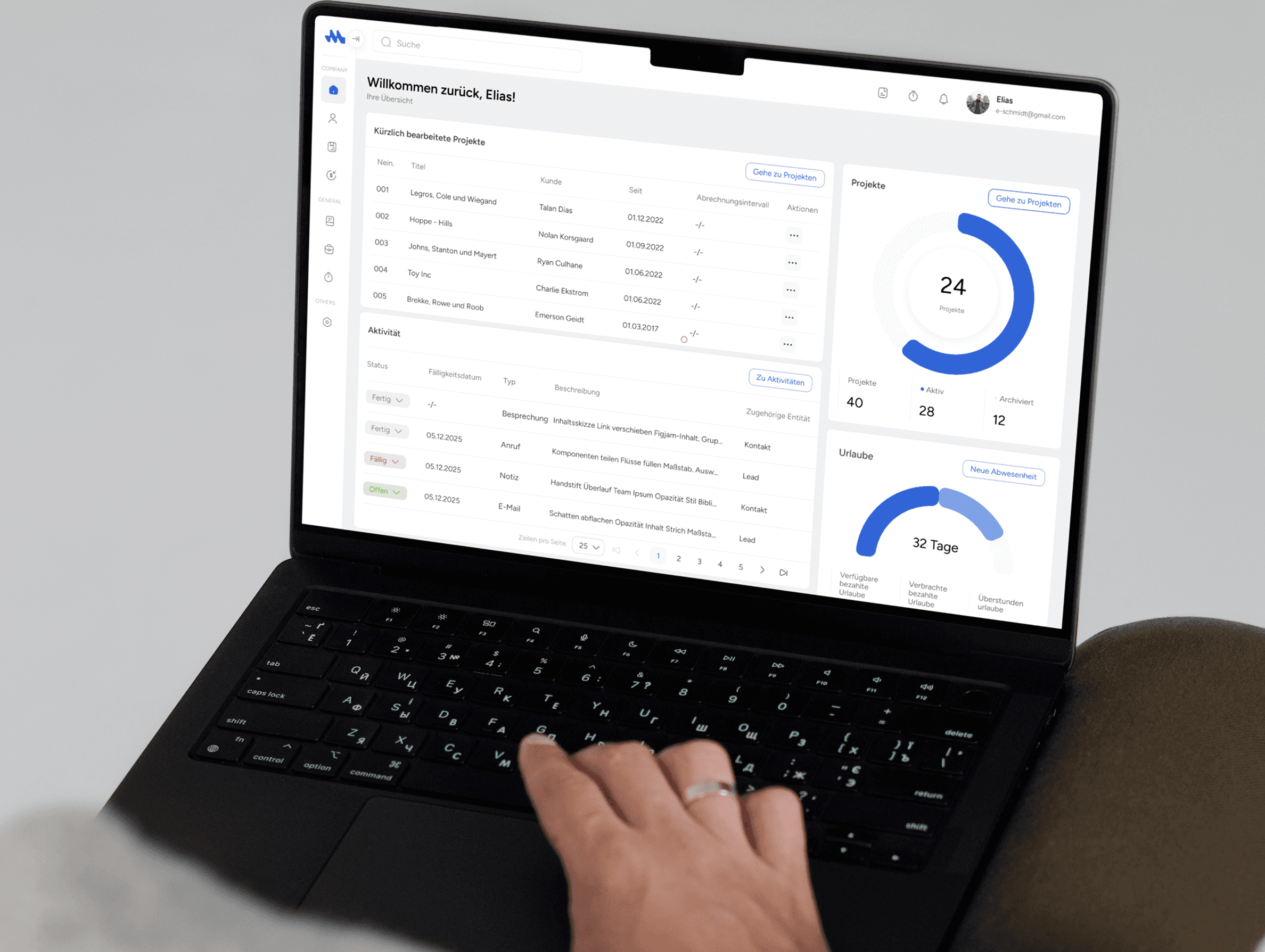
A scalable business management SaaS platform designed to centralize projects, finances, employees, invoicing, and lead management into one structured digital system.
About
Mesh App is a comprehensive business management platform designed to streamline daily operations for growing companies. The objective of this project was to build a structured and intuitive system that unifies project management, employee tracking, invoicing, financial monitoring, and lead conversion within a single digital environment. The platform was designed from scratch with a strong focus on clarity, scalability, and operational efficiency. The goal was to reduce fragmentation between tools and provide businesses with a centralized dashboard that simplifies decision making and workflow management. The result is a modern SaaS product that transforms complex internal processes into a clean and manageable digital experience.
Industry
SaaS and Business Management Software
SaaS and Business Management Software
SaaS and Business Management Software
SaaS and Business Management Software
SaaS and Business Management Software
Type of work
Product Design
Product Design
Product Design
Product Design
Product Design
Timeline
4 Months
4 Months
4 Months
4 Months
4 Months
Challenges
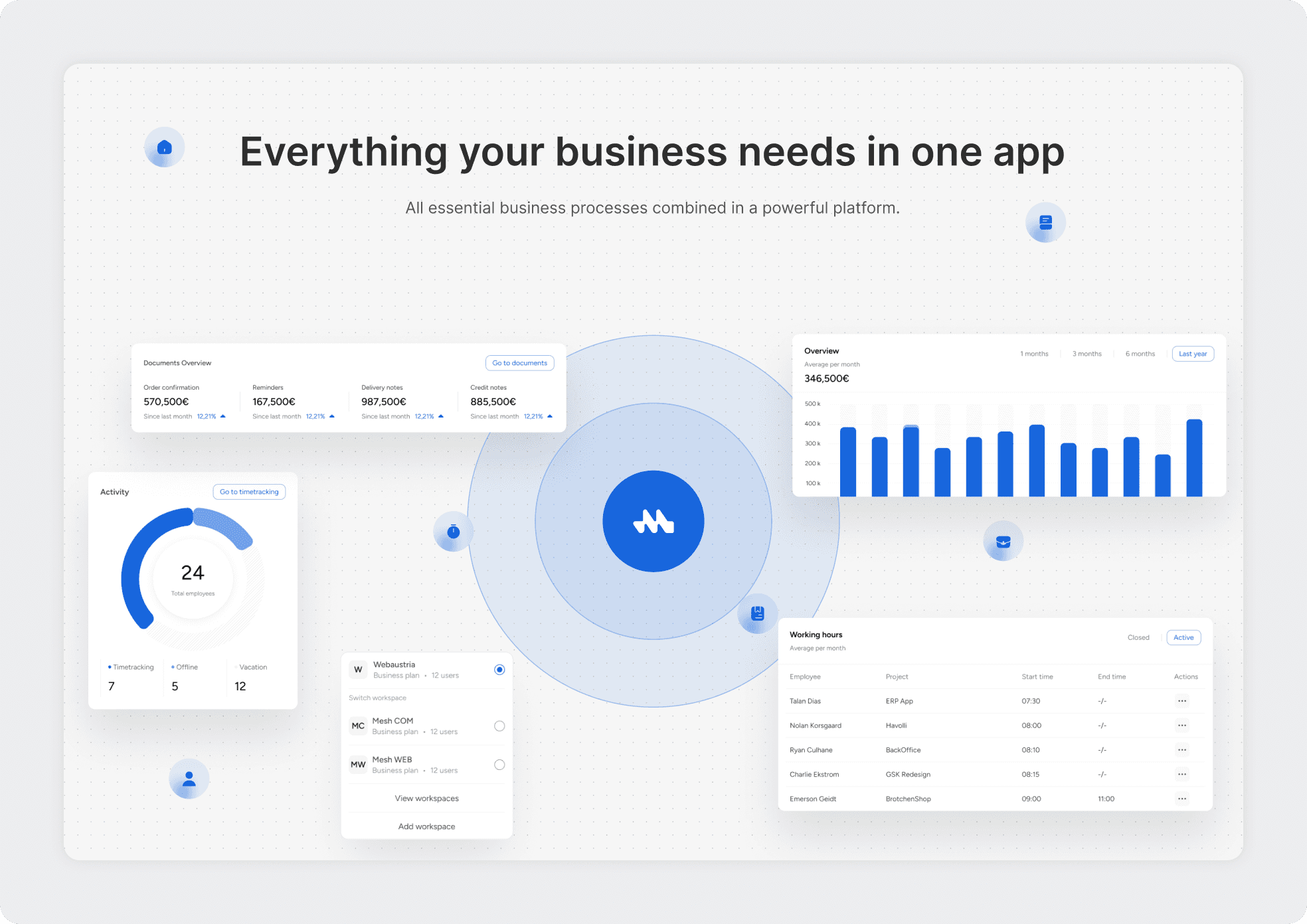
he primary challenge was integrating multiple core business functions into one cohesive system without overwhelming users. Combining project management, financial tracking, invoicing, employee monitoring, and lead management required a carefully structured information architecture to prevent cognitive overload. Another challenge was designing a platform that supports different user roles, including administrators, managers, and team members. Each role requires access to specific data and actions while maintaining a consistent system structure. Financial data and invoicing modules required clear hierarchy and transparency to ensure accuracy and trust. Lead management workflows also needed to feel seamless, allowing potential clients to move smoothly from leads to active contacts within the system. Scalability was a central consideration. The platform needed to accommodate business growth, additional features, and increasing data complexity without compromising usability or performance.
Challenges
he primary challenge was integrating multiple core business functions into one cohesive system without overwhelming users. Combining project management, financial tracking, invoicing, employee monitoring, and lead management required a carefully structured information architecture to prevent cognitive overload. Another challenge was designing a platform that supports different user roles, including administrators, managers, and team members. Each role requires access to specific data and actions while maintaining a consistent system structure. Financial data and invoicing modules required clear hierarchy and transparency to ensure accuracy and trust. Lead management workflows also needed to feel seamless, allowing potential clients to move smoothly from leads to active contacts within the system. Scalability was a central consideration. The platform needed to accommodate business growth, additional features, and increasing data complexity without compromising usability or performance.
Challenges
he primary challenge was integrating multiple core business functions into one cohesive system without overwhelming users. Combining project management, financial tracking, invoicing, employee monitoring, and lead management required a carefully structured information architecture to prevent cognitive overload. Another challenge was designing a platform that supports different user roles, including administrators, managers, and team members. Each role requires access to specific data and actions while maintaining a consistent system structure. Financial data and invoicing modules required clear hierarchy and transparency to ensure accuracy and trust. Lead management workflows also needed to feel seamless, allowing potential clients to move smoothly from leads to active contacts within the system. Scalability was a central consideration. The platform needed to accommodate business growth, additional features, and increasing data complexity without compromising usability or performance.
The process
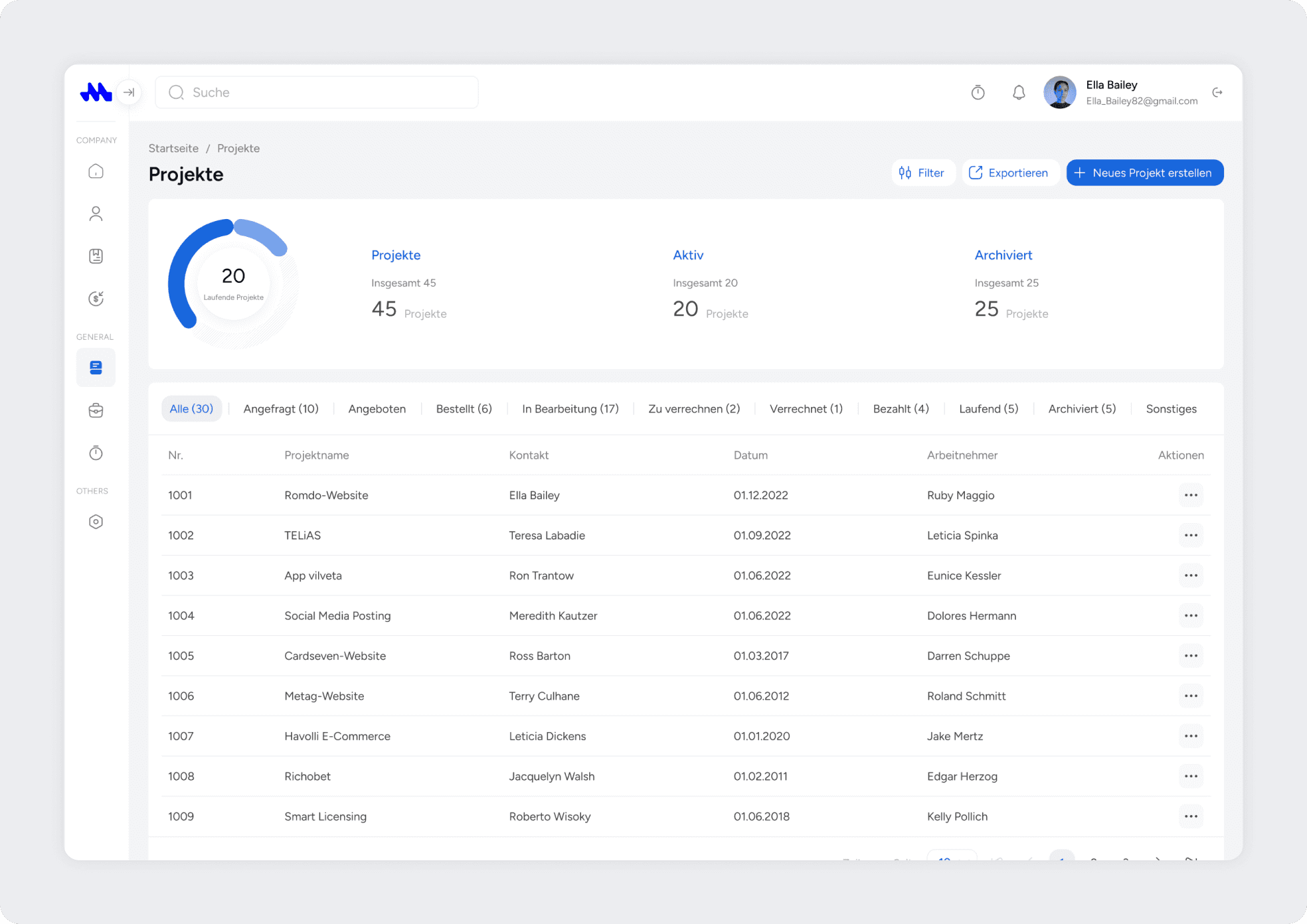
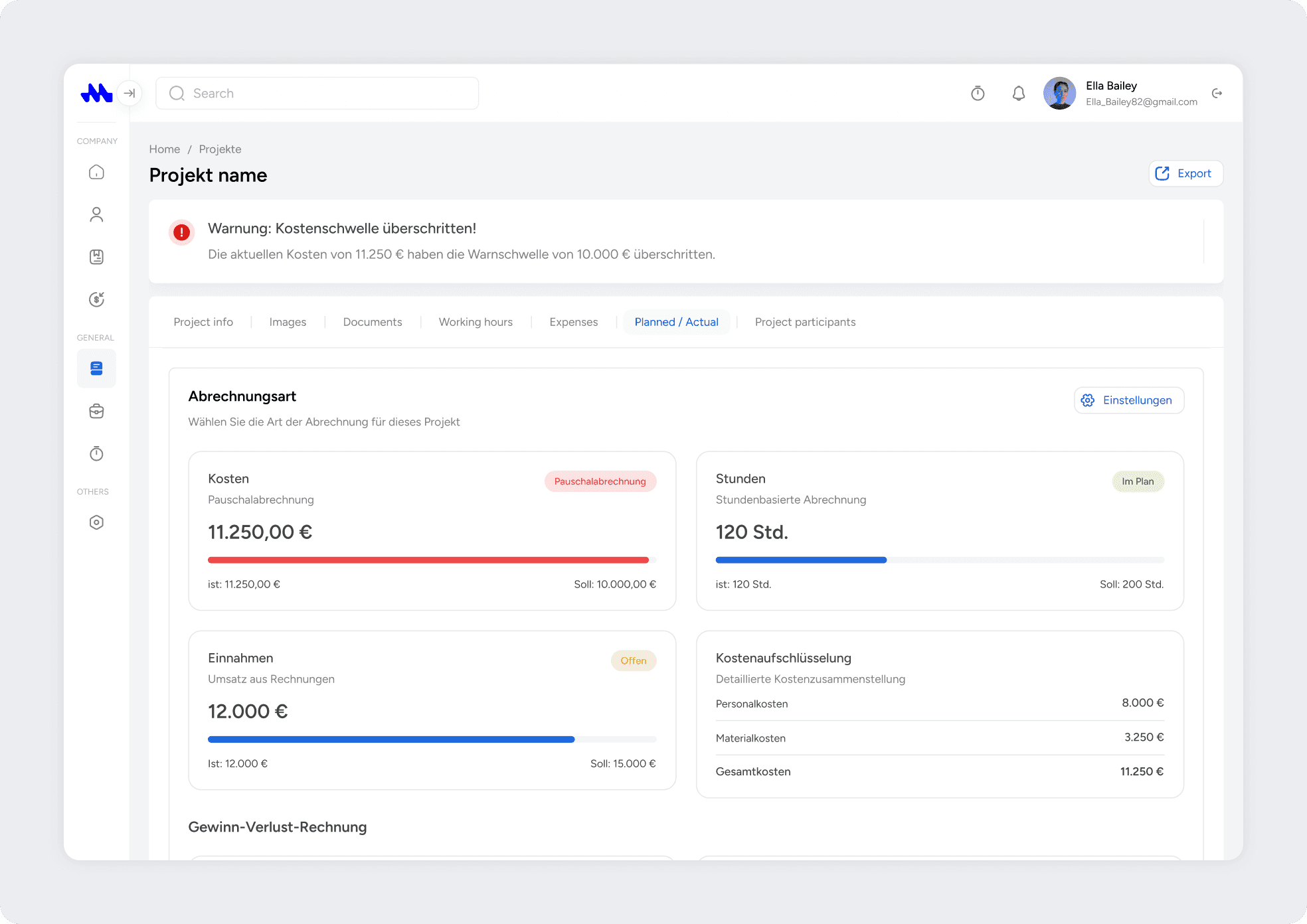
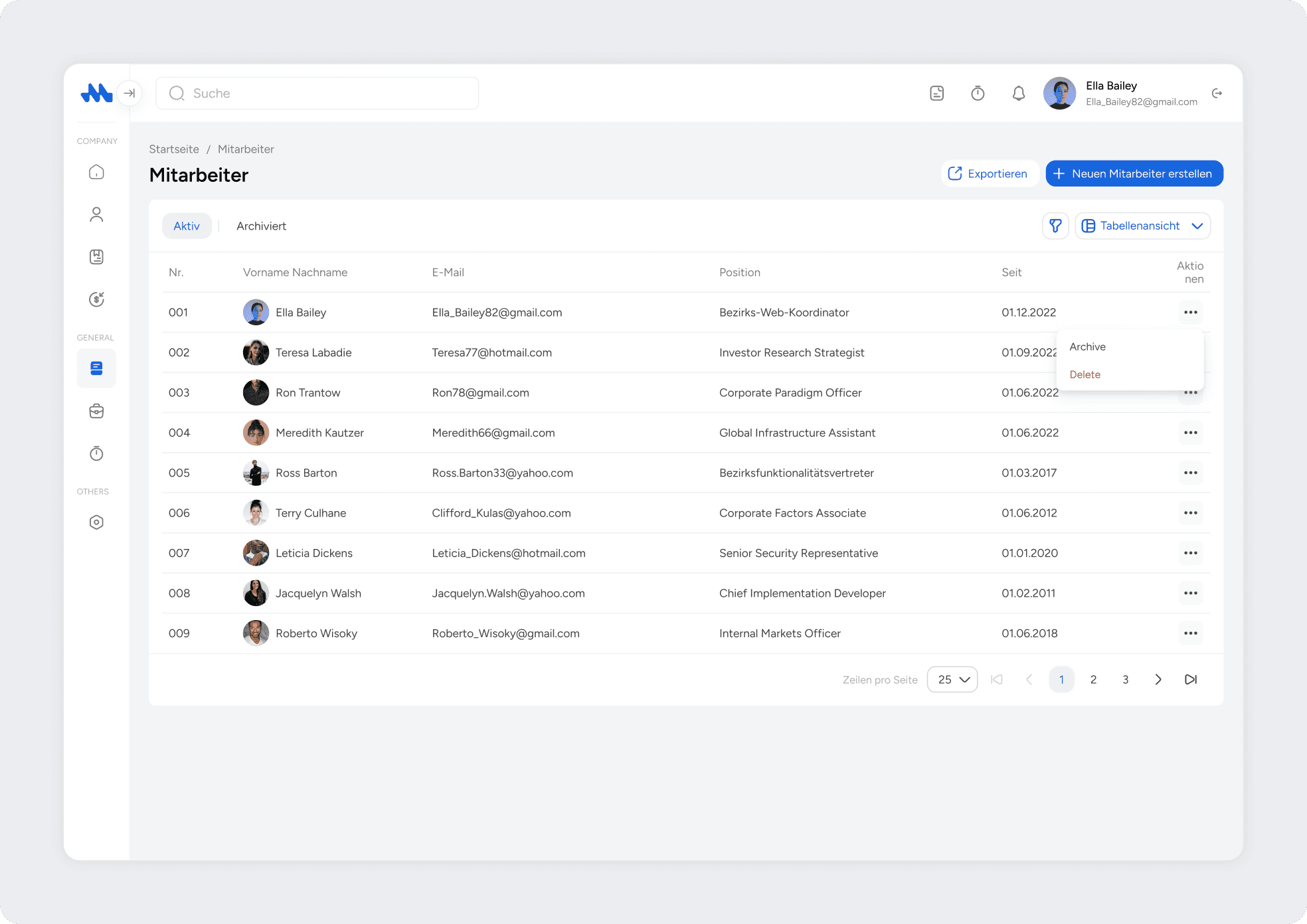
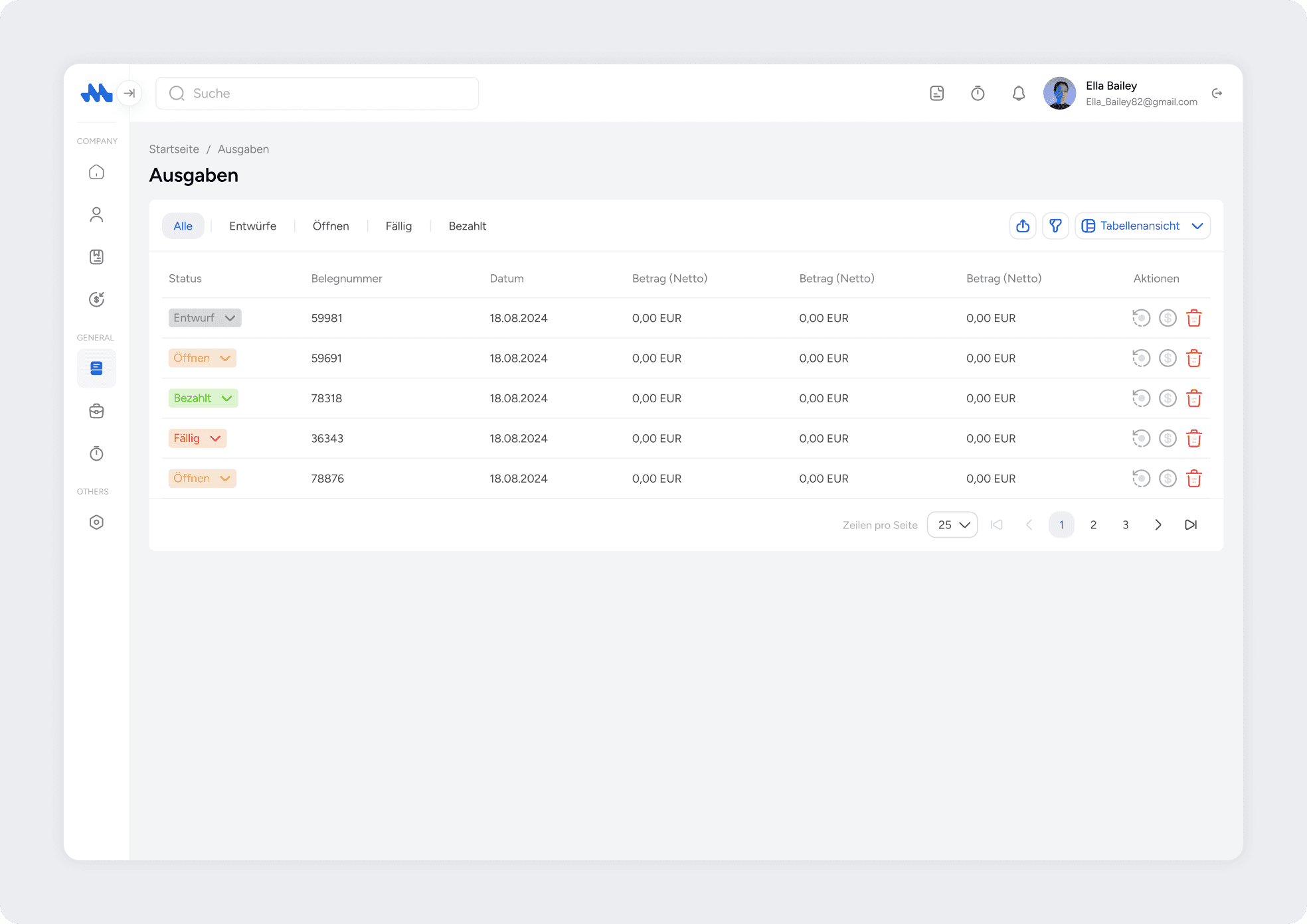
The design process began with mapping key business workflows and defining user roles. Core journeys were structured around managing projects, generating invoices, tracking financial performance, and converting leads into clients. Information architecture was organized into logical modules, ensuring users could move between dashboards, reports, and operational tools without friction. Wireframes focused on clarity, structured layouts, and efficient navigation patterns. A modular design system was developed to maintain consistency across dashboards, data tables, financial summaries, and interaction components. Emphasis was placed on visual hierarchy, real time data visibility, and actionable insights. The lead management system was designed to support conversion flow, allowing users to track prospects from initial contact through project initiation. Financial tracking tools were structured to provide clear overviews while enabling detailed analysis when needed.
The process
The design process began with mapping key business workflows and defining user roles. Core journeys were structured around managing projects, generating invoices, tracking financial performance, and converting leads into clients. Information architecture was organized into logical modules, ensuring users could move between dashboards, reports, and operational tools without friction. Wireframes focused on clarity, structured layouts, and efficient navigation patterns. A modular design system was developed to maintain consistency across dashboards, data tables, financial summaries, and interaction components. Emphasis was placed on visual hierarchy, real time data visibility, and actionable insights. The lead management system was designed to support conversion flow, allowing users to track prospects from initial contact through project initiation. Financial tracking tools were structured to provide clear overviews while enabling detailed analysis when needed.
The process
The design process began with mapping key business workflows and defining user roles. Core journeys were structured around managing projects, generating invoices, tracking financial performance, and converting leads into clients. Information architecture was organized into logical modules, ensuring users could move between dashboards, reports, and operational tools without friction. Wireframes focused on clarity, structured layouts, and efficient navigation patterns. A modular design system was developed to maintain consistency across dashboards, data tables, financial summaries, and interaction components. Emphasis was placed on visual hierarchy, real time data visibility, and actionable insights. The lead management system was designed to support conversion flow, allowing users to track prospects from initial contact through project initiation. Financial tracking tools were structured to provide clear overviews while enabling detailed analysis when needed.
The outcome
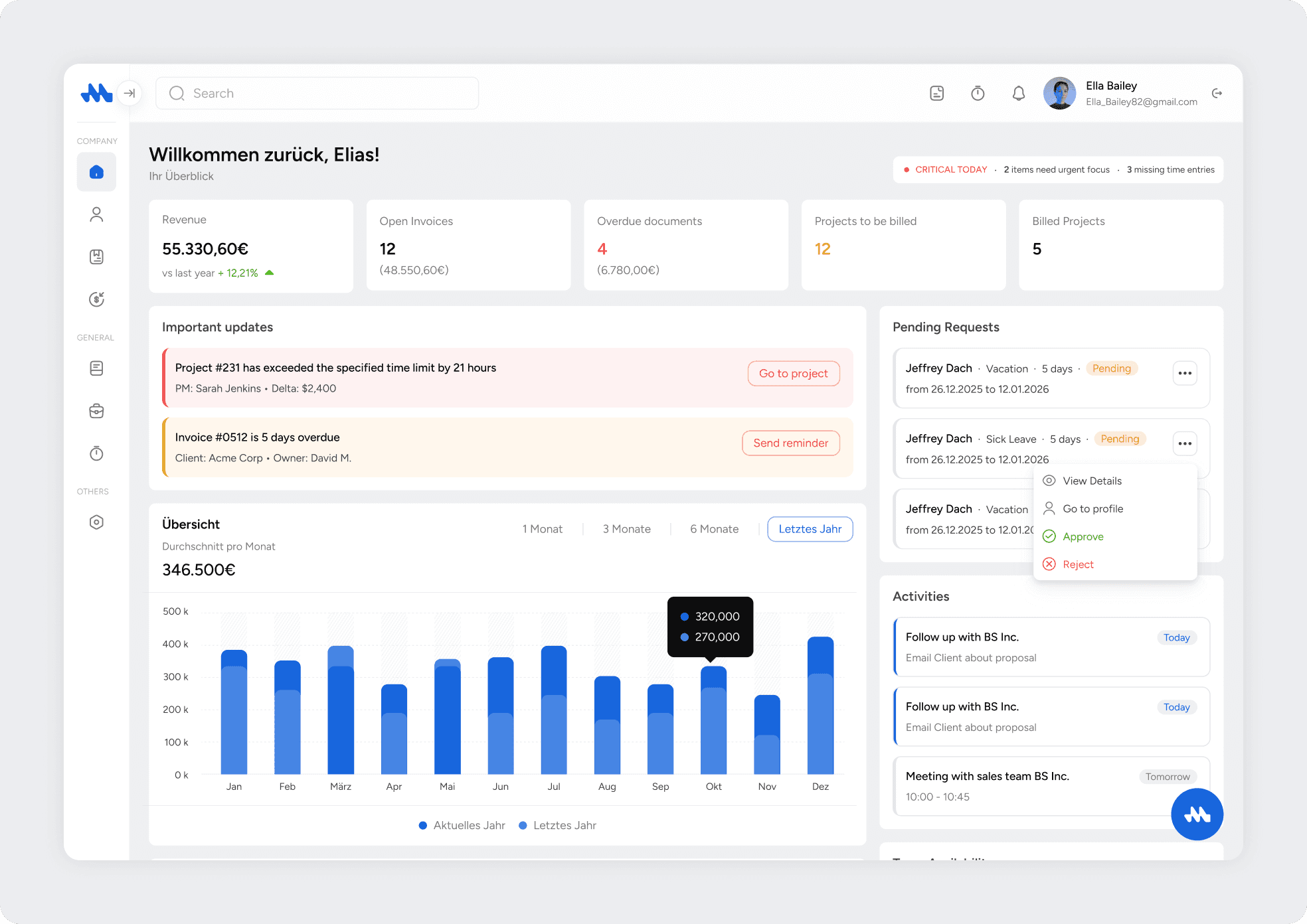
The final result is a structured and scalable business management platform that consolidates essential operational tools into a single, efficient system. Mesh App improves workflow transparency, reduces reliance on multiple disconnected tools, and enhances overall productivity. The platform establishes a strong foundation for long term product growth, supporting expanding teams, increasing data complexity, and future feature development within a unified design framework.
The outcome
The final result is a structured and scalable business management platform that consolidates essential operational tools into a single, efficient system. Mesh App improves workflow transparency, reduces reliance on multiple disconnected tools, and enhances overall productivity. The platform establishes a strong foundation for long term product growth, supporting expanding teams, increasing data complexity, and future feature development within a unified design framework.
The outcome
The final result is a structured and scalable business management platform that consolidates essential operational tools into a single, efficient system. Mesh App improves workflow transparency, reduces reliance on multiple disconnected tools, and enhances overall productivity. The platform establishes a strong foundation for long term product growth, supporting expanding teams, increasing data complexity, and future feature development within a unified design framework.